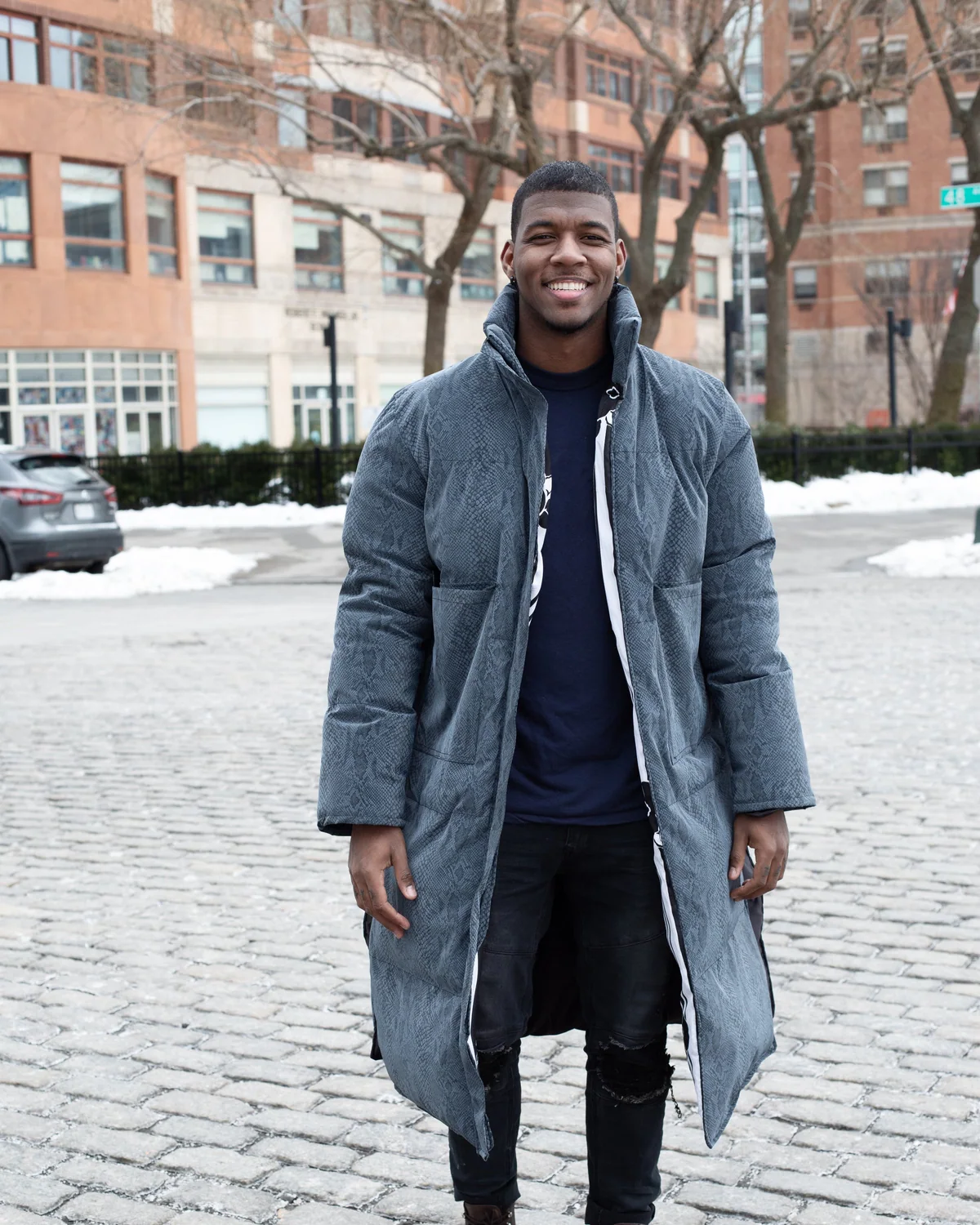
Before comparing labels or prices, turn the plan into a short list of conditions the purchase has to meet. For women heading to a cabin or mountain town for a weekend with cool mornings and warm afternoons, the decision should work across the whole scene, not only the first ten minutes. Look for repeatable value and avoid a choice that creates more work later.
The scenario is a cold morning start, a sunny trail, a town stop, a firepit, and limited laundry. It includes real constraints such as time, movement, changing light or weather, maintenance, and the possibility that the plan does not go exactly as expected.
We use published measurements, fabric and care labels, retailer terms, and official product information. We do not claim a fit test, wear test, or measurement that was not performed. Confirm the current item details before ordering.
The goal is a shortlist, not endless browsing. Once two options meet the brief, compare the remaining tradeoffs and decide what you are willing to maintain.
Key takeaways
- Primary goal: pack flexible layers that work for a hike, a casual lunch, and an evening outside.
- Decision filter: layer weight, shoe grip, moisture management, and whether each top can work under the same outer layer.
- Before checkout: check the temperature range and trail conditions, then test the sock and shoe combination on a long walk.
- Avoid: packing several thick layers that trap moisture instead of using one breathable base and a useful mid-layer.
- Worth prioritizing: a lightweight insulated layer that packs small and adds warmth without restricting movement.
Build the outfit around a cold morning start, a sunny trail, a town stop, a firepit, and limited laundry
The decision should connect pack flexible layers that work for a hike, a casual lunch, and an evening outside with a cold morning start, a sunny trail, a town stop, a firepit, and limited laundry, not treat them as separate questions. A reasonable upgrade is a lightweight insulated layer that packs small and adds warmth without restricting movement, but only when it solves a repeat problem. Review a lightweight insulated layer that packs small and adds warmth without restricting movement after confirming the basic fit, formula, dimensions, or instructions.
For this situation, a cold morning start, a sunny trail, a town stop, a firepit, and limited laundry, the strongest choice is the one that keeps pack flexible layers that work for a hike, a casual lunch, and an evening outside realistic. A sound decision leaves no uncertainty about check the temperature range and trail conditions, then test the sock and shoe combination on a long walk. Compare layer weight, shoe grip, moisture management, and whether each top can work under the same outer layer with the current return and care terms before deciding.
The review begins with layer weight, shoe grip, moisture management, and whether each top can work under the same outer layer, because that detail determines whether a cold morning start, a sunny trail, a town stop, a firepit, and limited laundry feels manageable. Before buying, verify check the temperature range and trail conditions, then test the sock and shoe combination on a long walk; if that information is missing, compare another option. The shortlist should make pack flexible layers that work for a hike, a casual lunch, and an evening outside simpler, not add another decision every time it is used.
Compare the purchase against pack flexible layers that work for a hike, a casual lunch, and an evening outside and the demands of a cold morning start, a sunny trail, a town stop, a firepit, and limited laundry. Avoid packing several thick layers that trap moisture instead of using one breathable base and a useful mid-layer; a low price or strong product photo does not offset that problem. Use check the temperature range and trail conditions, then test the sock and shoe combination on a long walk as the final check, then stop comparing speculative options.
- Describe the scene: a cold morning start, a sunny trail, a town stop, a firepit, and limited laundry.
- Define success: pack flexible layers that work for a hike, a casual lunch, and an evening outside.
- Name what is already working before buying anything new.
Make pack flexible layers that work for a hike, a casual lunch, and an evening outside the buying standard
Compare the purchase against pack flexible layers that work for a hike, a casual lunch, and an evening outside and the demands of a cold morning start, a sunny trail, a town stop, a firepit, and limited laundry. Avoid packing several thick layers that trap moisture instead of using one breathable base and a useful mid-layer; a low price or strong product photo does not offset that problem. Use check the temperature range and trail conditions, then test the sock and shoe combination on a long walk as the final check, then stop comparing speculative options.
Treat a cold morning start, a sunny trail, a town stop, a firepit, and limited laundry as the test environment and layer weight, shoe grip, moisture management, and whether each top can work under the same outer layer as the measurement. Check check the temperature range and trail conditions, then test the sock and shoe combination on a long walk first, then decide whether layer weight, shoe grip, moisture management, and whether each top can work under the same outer layer supports keeping the option. A strong result is one that reduces packing several thick layers that trap moisture instead of using one breathable base and a useful mid-layer without creating a new maintenance problem.
For women heading to a cabin or mountain town for a weekend with cool mornings and warm afternoons, the practical target is to pack flexible layers that work for a hike, a casual lunch, and an evening outside, and a cold morning start, a sunny trail, a town stop, a firepit, and limited laundry is the situation that should shape the decision. Use layer weight, shoe grip, moisture management, and whether each top can work under the same outer layer to confirm the choice, then check the return or adjustment terms. Match the purchase to layer weight, shoe grip, moisture management, and whether each top can work under the same outer layer, and reject anything that requires constant correction.
This guide treats layer weight, shoe grip, moisture management, and whether each top can work under the same outer layer as the main test because it changes how the choice performs once a cold morning start, a sunny trail, a town stop, a firepit, and limited laundry begins. The common failure point is packing several thick layers that trap moisture instead of using one breathable base and a useful mid-layer, especially after the first hour or first few uses. Keep the option only if it can support pack flexible layers that work for a hike, a casual lunch, and an evening outside during a cold morning start, a sunny trail, a town stop, a firepit, and limited laundry.

Check the fit against layer weight, shoe grip, moisture management, and whether each top can work under the same outer layer
This guide treats layer weight, shoe grip, moisture management, and whether each top can work under the same outer layer as the main test because it changes how the choice performs once a cold morning start, a sunny trail, a town stop, a firepit, and limited laundry begins. The common failure point is packing several thick layers that trap moisture instead of using one breathable base and a useful mid-layer, especially after the first hour or first few uses. Keep the option only if it can support pack flexible layers that work for a hike, a casual lunch, and an evening outside during a cold morning start, a sunny trail, a town stop, a firepit, and limited laundry.
The buying brief is simple: pack flexible layers that work for a hike, a casual lunch, and an evening outside, while keeping a cold morning start, a sunny trail, a town stop, a firepit, and limited laundry in view instead of relying on a staged image. The main risk is packing several thick layers that trap moisture instead of using one breathable base and a useful mid-layer, so keep that outcome out of the shortlist. Keep a cold morning start, a sunny trail, a town stop, a firepit, and limited laundry visible throughout the comparison so the recommendation remains practical.
A useful option has to support this goal: pack flexible layers that work for a hike, a casual lunch, and an evening outside. That is more specific than asking whether the category is generally popular. Spend more only for a lightweight insulated layer that packs small and adds warmth without restricting movement, and compare the exact benefit with the lower-cost direction. Write down the exact reason the purchase is better than packing several thick layers that trap moisture instead of using one breathable base and a useful mid-layer.
Start with a cold morning start, a sunny trail, a town stop, a firepit, and limited laundry; it exposes the comfort, timing, care, or compatibility issue that a generic description often hides. The final comparison should include packing several thick layers that trap moisture instead of using one breathable base and a useful mid-layer as a reason to say no. Use the current listing to confirm check the temperature range and trail conditions, then test the sock and shoe combination on a long walk and the exact terms of purchase.
- Check current labels, measurements, directions, and care information.
- Inspect stress points, texture, controls, or garment construction.
- Confirm compatibility with the items already in use.
Read the listing carefully: check the temperature range and trail conditions, then test the sock and shoe combination on a long walk
Start with a cold morning start, a sunny trail, a town stop, a firepit, and limited laundry; it exposes the comfort, timing, care, or compatibility issue that a generic description often hides. The final comparison should include packing several thick layers that trap moisture instead of using one breathable base and a useful mid-layer as a reason to say no. Use the current listing to confirm check the temperature range and trail conditions, then test the sock and shoe combination on a long walk and the exact terms of purchase.
The reader scenario is a cold morning start, a sunny trail, a town stop, a firepit, and limited laundry. It gives the comparison a real standard rather than a vague idea of looking good. The current listing should explain check the temperature range and trail conditions, then test the sock and shoe combination on a long walk, including any limits that affect normal use. Choose the version that makes pack flexible layers that work for a hike, a casual lunch, and an evening outside easier in a cold morning start, a sunny trail, a town stop, a firepit, and limited laundry.
The first filter is layer weight, shoe grip, moisture management, and whether each top can work under the same outer layer. Use it to remove anything that cannot handle a cold morning start, a sunny trail, a town stop, a firepit, and limited laundry. Consider a lightweight insulated layer that packs small and adds warmth without restricting movement when it improves the experience enough to justify the added cost or maintenance. Decide what would make a lightweight insulated layer that packs small and adds warmth without restricting movement worth the additional cost, care, or storage space.
The decision should connect pack flexible layers that work for a hike, a casual lunch, and an evening outside with a cold morning start, a sunny trail, a town stop, a firepit, and limited laundry, not treat them as separate questions. A reasonable upgrade is a lightweight insulated layer that packs small and adds warmth without restricting movement, but only when it solves a repeat problem. Review a lightweight insulated layer that packs small and adds warmth without restricting movement after confirming the basic fit, formula, dimensions, or instructions.
Avoid this buying trap: packing several thick layers that trap moisture instead of using one breathable base and a useful mid-layer
The decision should connect pack flexible layers that work for a hike, a casual lunch, and an evening outside with a cold morning start, a sunny trail, a town stop, a firepit, and limited laundry, not treat them as separate questions. A reasonable upgrade is a lightweight insulated layer that packs small and adds warmth without restricting movement, but only when it solves a repeat problem. Review a lightweight insulated layer that packs small and adds warmth without restricting movement after confirming the basic fit, formula, dimensions, or instructions.
For this situation, a cold morning start, a sunny trail, a town stop, a firepit, and limited laundry, the strongest choice is the one that keeps pack flexible layers that work for a hike, a casual lunch, and an evening outside realistic. A sound decision leaves no uncertainty about check the temperature range and trail conditions, then test the sock and shoe combination on a long walk. Compare layer weight, shoe grip, moisture management, and whether each top can work under the same outer layer with the current return and care terms before deciding.
The review begins with layer weight, shoe grip, moisture management, and whether each top can work under the same outer layer, because that detail determines whether a cold morning start, a sunny trail, a town stop, a firepit, and limited laundry feels manageable. Before buying, verify check the temperature range and trail conditions, then test the sock and shoe combination on a long walk; if that information is missing, compare another option. The shortlist should make pack flexible layers that work for a hike, a casual lunch, and an evening outside simpler, not add another decision every time it is used.
Compare the purchase against pack flexible layers that work for a hike, a casual lunch, and an evening outside and the demands of a cold morning start, a sunny trail, a town stop, a firepit, and limited laundry. Avoid packing several thick layers that trap moisture instead of using one breathable base and a useful mid-layer; a low price or strong product photo does not offset that problem. Use check the temperature range and trail conditions, then test the sock and shoe combination on a long walk as the final check, then stop comparing speculative options.
- Avoid: packing several thick layers that trap moisture instead of using one breathable base and a useful mid-layer.
- Do not solve one problem by creating two maintenance problems.
- Test within the allowed return or adjustment period.
Where a lightweight insulated layer that packs small and adds warmth without restricting movement earns its place
Compare the purchase against pack flexible layers that work for a hike, a casual lunch, and an evening outside and the demands of a cold morning start, a sunny trail, a town stop, a firepit, and limited laundry. Avoid packing several thick layers that trap moisture instead of using one breathable base and a useful mid-layer; a low price or strong product photo does not offset that problem. Use check the temperature range and trail conditions, then test the sock and shoe combination on a long walk as the final check, then stop comparing speculative options.
Treat a cold morning start, a sunny trail, a town stop, a firepit, and limited laundry as the test environment and layer weight, shoe grip, moisture management, and whether each top can work under the same outer layer as the measurement. Check check the temperature range and trail conditions, then test the sock and shoe combination on a long walk first, then decide whether layer weight, shoe grip, moisture management, and whether each top can work under the same outer layer supports keeping the option. A strong result is one that reduces packing several thick layers that trap moisture instead of using one breathable base and a useful mid-layer without creating a new maintenance problem.
For women heading to a cabin or mountain town for a weekend with cool mornings and warm afternoons, the practical target is to pack flexible layers that work for a hike, a casual lunch, and an evening outside, and a cold morning start, a sunny trail, a town stop, a firepit, and limited laundry is the situation that should shape the decision. Use layer weight, shoe grip, moisture management, and whether each top can work under the same outer layer to confirm the choice, then check the return or adjustment terms. Match the purchase to layer weight, shoe grip, moisture management, and whether each top can work under the same outer layer, and reject anything that requires constant correction.
This guide treats layer weight, shoe grip, moisture management, and whether each top can work under the same outer layer as the main test because it changes how the choice performs once a cold morning start, a sunny trail, a town stop, a firepit, and limited laundry begins. The common failure point is packing several thick layers that trap moisture instead of using one breathable base and a useful mid-layer, especially after the first hour or first few uses. Keep the option only if it can support pack flexible layers that work for a hike, a casual lunch, and an evening outside during a cold morning start, a sunny trail, a town stop, a firepit, and limited laundry.
Common questions
FAQ
What should I decide first for layering for a Cool Mountain Weekend?
Start with pack flexible layers that work for a hike, a casual lunch, and an evening outside. Then use layer weight, shoe grip, moisture management, and whether each top can work under the same outer layer to remove options that cannot support the real scene.
How can I compare options without seeing or testing them in person?
Use current measurements, labels, directions, model details, product images, and return terms. Compare the exact item rather than a rounded description from a search result.
What detail is most likely to be overlooked?
The common miss is packing several thick layers that trap moisture instead of using one breathable base and a useful mid-layer. Read the fine print and think about what happens after the first use, not only the first impression.
Is a higher price always the better choice?
No. A higher price is useful only when it improves something you will notice and use, such as a lightweight insulated layer that packs small and adds warmth without restricting movement.
How many new pieces should I buy at once?
Keep the purchase focused. One accurate piece that works with existing shoes, layers, and accessories is easier to evaluate than a rushed set of near-duplicates.